
When travellers plan a road trip to Chitkul or Sangla Valley, they often treat Rampur Bushahr as just another stop on the highway.
Most people refuel, grab a quick meal, and continue driving towards the mountains.
But few realise that this small town on the banks of the Sutlej was once one of the most important trading centres in the Himalayas.
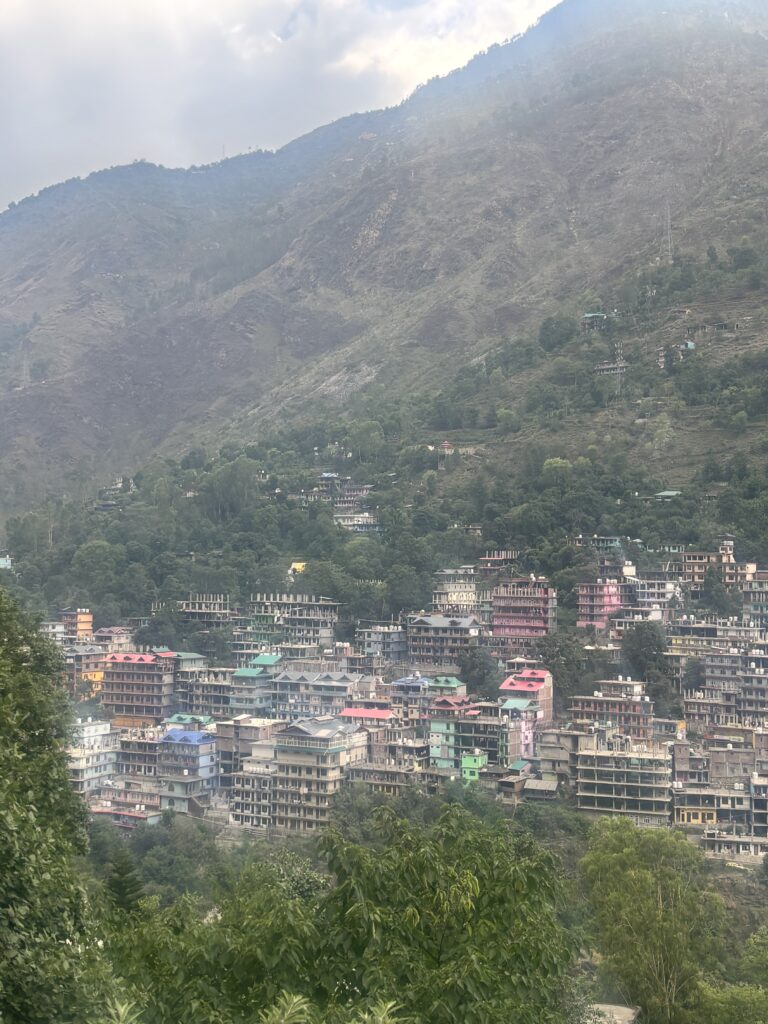
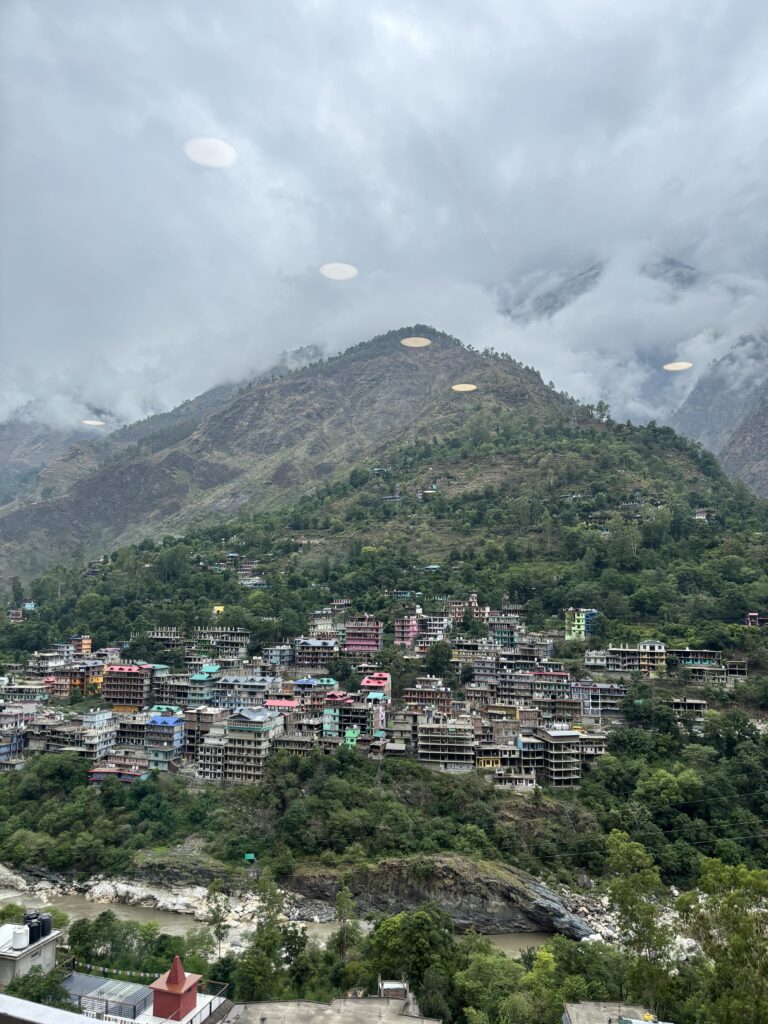
Long before roads connected Kinnaur to the rest of India, caravans carrying wool, horses, dry fruits, salt, and pashmina passed through Rampur Bushahr on their way to Tibet.
Today, as travellers rush towards Chitkul and Spiti, the town’s historical significance is often overlooked.
And that is exactly why Rampur Bushahr deserves more than just a tea break.
A Town Built on Trade
Situated in the Shimla district of Himachal Pradesh, Rampur Bushahr lies on the banks of the Sutlej River at an altitude of approximately 1,000 metres.
For centuries, it served as the winter capital of the erstwhile Bushahr State and acted as a crucial link between India and Tibet.
Around 300 years ago, during the reign of Raja Kehar Singh of Bushahr, a trade treaty was signed between the Bushahr State and Tibet.
As a symbol of friendship, horses from Tibet and swords from Bushahr were exchanged, marking the beginning of a flourishing trade relationship.
Over time, this agreement gave birth to the famous Lavi Fair, which continues to be celebrated every year in Rampur Bushahr.
Historically, traders from Tibet, Ladakh, Afghanistan, and Kinnaur travelled here to exchange wool, pashmina, dry fruits, livestock, salt, and jaggery.
Even today, the Lavi Fair remains one of Himachal Pradesh’s most significant cultural events.
The Modern-Day Rampur Bushahr
Modern Rampur may no longer be the bustling trade hub it once was, but it continues to play an important role in the region.
The town sits along National Highway 5 and serves as the gateway to Kinnaur, Sangla Valley, Chitkul, Kalpa, and Spiti Valley.
Nearby, the massive Nathpa Jhakri Hydroelectric Project—operated by SJVN—is a reminder of how the Sutlej River continues to shape the economy of the region.
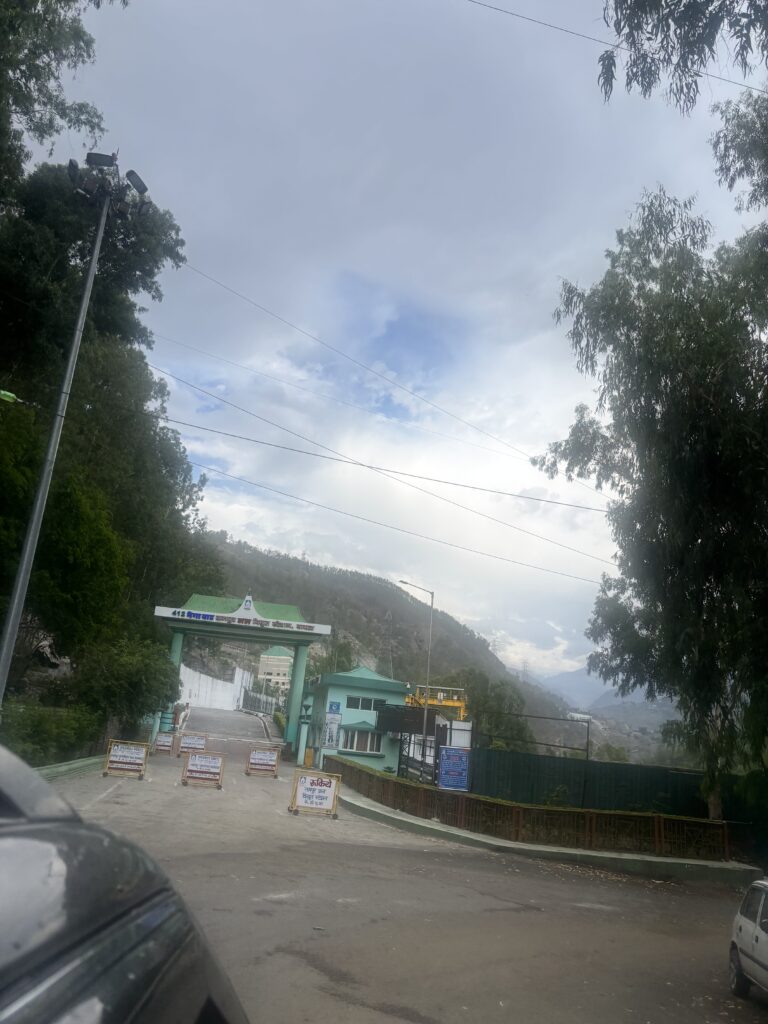
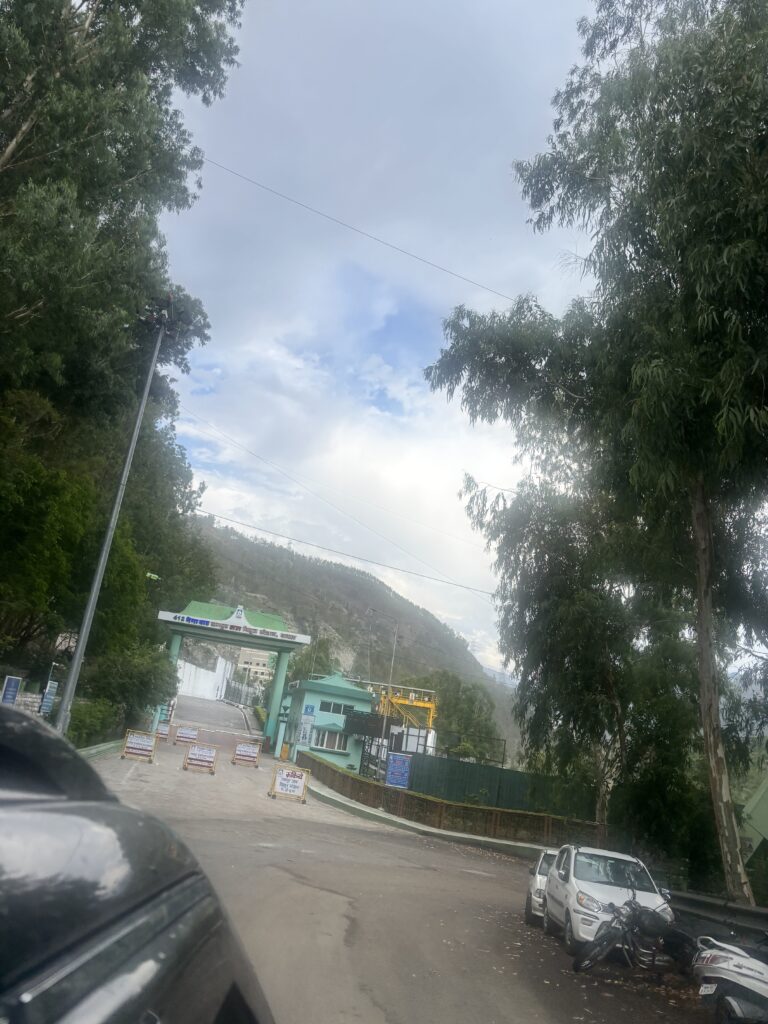
Today, Rampur offers everything road trippers need before heading deeper into the mountains:
- Fuel stations
- ATMs
- Pharmacies
- Vehicle repair shops
- Restaurants and cafés
- Comfortable hotels
Once you leave Rampur and drive towards Karcham and Sangla Valley, these facilities become much less frequent.
Nearby Attractions
If you have a few extra hours, consider exploring:
- Padam Palace
- Lavi Fair Grounds
- Satluj River viewpoints
- Bhimakali Temple, Sarahan (around 45 km away)
- Nathpa Jhakri Hydroelectric Project viewpoints
- Local markets for Kinnauri handicrafts
Even an evening walk along the Sutlej offers a different perspective on this historic mountain town.
Why You Should Spend a Night in Rampur Before Chitkul
Many travellers attempt to drive directly from Shimla to Chitkul in a single day.
While it is possible, it often turns an enjoyable road trip into an exhausting drive.
Breaking the journey at Rampur Bushahr has several advantages.
First, it reduces driver fatigue before the more challenging roads ahead.
Second, it allows your body to adjust gradually to the increasing altitude.
And finally, it gives you time to appreciate a town that has quietly shaped the history of the Himalayas.
The road beyond Karcham becomes narrower, steeper, and more demanding.
Starting that section fresh the next morning makes the drive safer and far more enjoyable.
Sometimes, the most memorable places are not the final destination.
They are the places we almost drive past.
Rampur Bushahr is one of them.